
Analysis: Derwentside Immigration Removal Centre and the UK’s Detention Policy
Derwentside Immigration Removal Centre (IRC), situated in County Durham, has been at the centre of a heated debate concerning the UK’s policies on detention, particularly regarding vulnerable women seeking asylum. Since its inception in December 2021, the facility has drawn significant scrutiny from human rights groups and the media.

Government Perspective
The UK government, through the Home Office, asserts that immigration detention centres like Derwentside are essential for maintaining effective immigration control. This stance is particularly focused on ensuring the removal of individuals who have no right to remain in the UK but refuse to leave voluntarily. The government’s approach has been to increase the capacity for detention, citing public expectation for a robust immigration system. This includes the transformation of Derwentside from a female-only facility to a male-only facility, which the government argues is necessary for managing immigration more effectively (The Guardian, February 2021).
Criticisms from Human Rights Groups
Contrasting sharply with the official stance, human rights organizations such as Women for Refugee Women have expressed profound concerns about the conditions within these facilities. A significant report by HM Inspectorate of Prisons highlighted several issues at Derwentside, including inadequate care for those at risk of self-harm and the inappropriate use of male staff for constant supervision of female detainees. These findings underscore claims of repeated oversight failures and a disregard for the mental health of detainees (Women for Refugee Women, HM Inspectorate of Prisons).
Public Response and Demonstrations
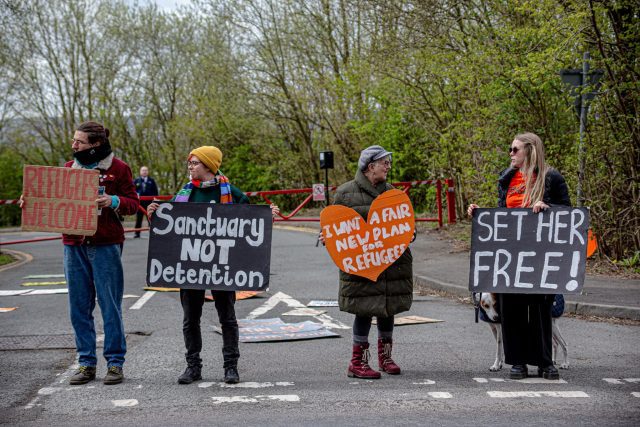
Groups like No To Hassockfield and Durham People’s Assembly have been vocally critical of Derwentside IRC, organizing demonstrations and publicising the plight of detainees. They argue that the government’s expenditure on such facilities is not only costly but inhumane, advocating for more compassionate and cost-effective alternatives to detention. These groups have highlighted successful community-based management programs that they believe should replace detention centres.
Examination of Alternatives
The debate also includes discussions on alternatives to detention, such as the previously trialed community-based programs for women seeking asylum, which were reportedly more humane and less costly. Critics of the current approach cite the government’s abandonment of these programs as a step backward in reforming the immigration system. They call for a return to and expansion of such alternatives, which they argue would benefit both the individuals involved and broader societal health.

The controversy surrounding Derwentside IRC reflects broader tensions in the UK’s immigration policy between enforcement and human rights. With ongoing criticism from watchdogs and human rights groups, coupled with government plans to expand detention capabilities, the dialogue on how best to manage immigration while respecting human dignity continues to evolve. As the UK government maintains its course, the opposition from advocacy groups and the affected communities underscores the complex and contentious nature of immigration detention policies.
What do you think?
Given the significant concerns raised about the conditions and efficacy of detention at Derwentside IRC, what steps can and should the UK take to ensure its immigration policies are both effective in managing immigration and respectful of human rights and dignity?