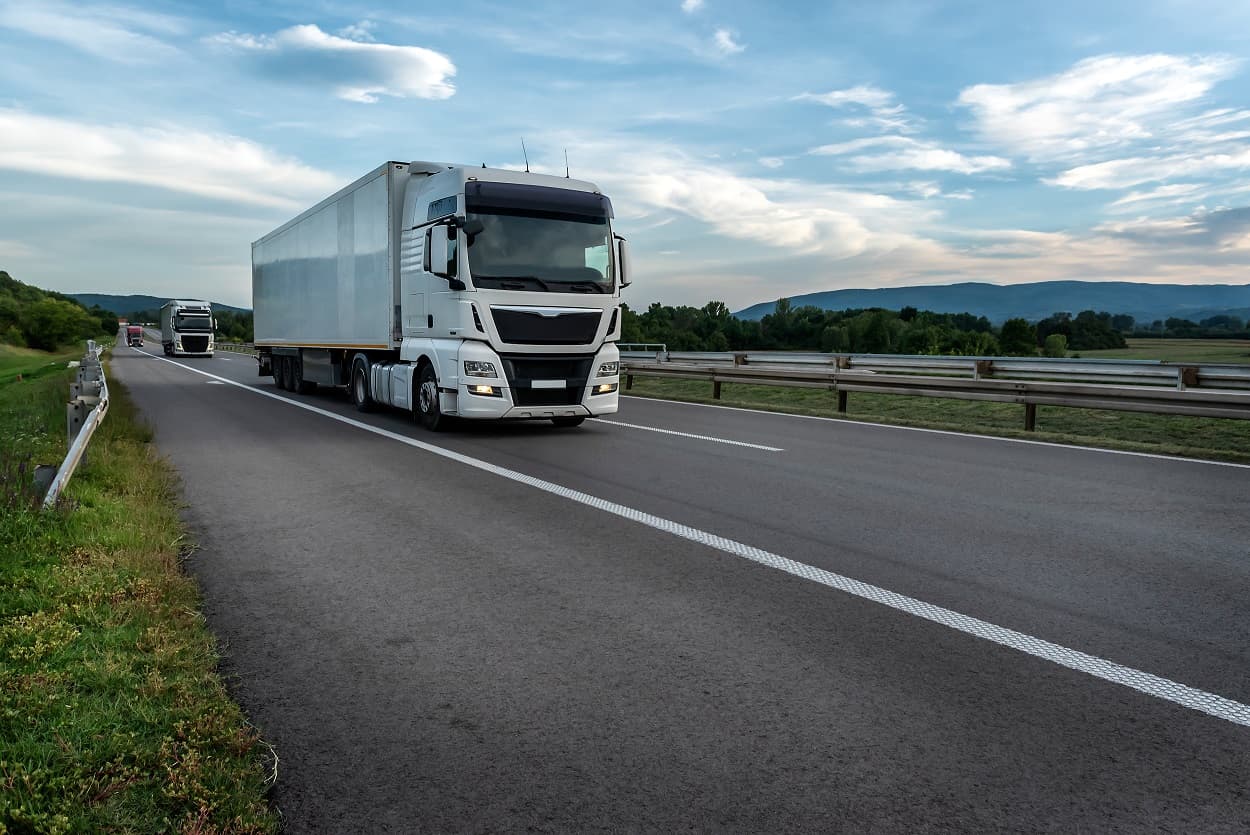
Local haulage companies operate under constant regulatory and commercial pressure.
Driver hours rules, vehicle usage records, and audit readiness now shape daily operations, not only compliance reviews. For small and medium-sized operators, accurate record-keeping has become a decisive factor in cost control, operational stability, and long-term viability.
As enforcement standards tighten and inspections become more data-driven, poor documentation creates risk that extends beyond fines. Missed entries, incomplete downloads, or delayed reviews can disrupt operations, damage licences, and undermine customer confidence. In this context, record-keeping is no longer an administrative task. It is an operational discipline.
Why Record-Keeping Has Become a Business Risk Issue
Transport authorities require precise documentation of driver activity, rest periods, and vehicle use. These records must be accurate, complete, and accessible over extended retention periods. For local haulage firms with limited administrative capacity, meeting these requirements consistently is challenging.
Manual processes struggle under the volume and complexity of modern digital tachograph data. A single vehicle generates large amounts of information each week. When this data is reviewed sporadically or stored across paper logs and spreadsheets, errors accumulate quietly. Issues often surface only during inspections, when correction is no longer possible.
Poor record-keeping exposes operators to compounding risk. Financial penalties escalate quickly as DVSA enforcement and penalties increase for repeated infringements. Operator licences face closer scrutiny. Insurance costs rise. Contracts become harder to renew. Reputation and commercial credibility suffer alongside direct financial loss.
The Limitations of Manual Tachograph Checks
Manual record-keeping becomes increasingly fragile as regulatory scope expands and enforcement tightens. Recent changes to tachograph retrofit requirements add further complexity for operators already managing high data volumes, multiple vehicle types, and varied journey profiles.
When compliance depends on fragmented checks and delayed reviews, risk compounds quietly. Accurate, centralised records allow operators to respond to regulatory change with control rather than urgency, protecting licences, contracts, and long-term operational stability.
Human error remains a persistent issue. Missed driver card downloads, incorrect manual entries, and delayed data checks are common. These mistakes rarely reflect negligence. They result from systems that depend too heavily on memory and manual follow-up.
As fleet size grows or routes diversify, manual systems scale poorly. What works for a handful of vehicles becomes unreliable under higher volume. This creates a structural weakness that surfaces precisely when businesses are under the most pressure.
From Compliance Task to Operational Insight
Digital tachograph analysis changes the role of record-keeping. Instead of retrospective checks, managers gain continuous visibility. Data is reviewed systematically. Infringements appear early. Trends become visible before they affect performance.
Modern platforms convert raw tachograph files into structured reports. Driving limits, rest compliance, and missing records are flagged automatically. This reduces reliance on manual interpretation and ensures consistency across the fleet.
At this stage of operational maturity, many local hauliers adopt centralised systems such as FleetGO to unify data capture, automate compliance checks, and maintain a single source of truth across vehicles, drivers, and reporting periods. The value lies not in software features, but in control.
Regulatory Compliance in Practice
UK driver hours regulations impose strict daily and weekly limits. Most drivers are limited to nine hours per day, with specific allowances and mandatory rest periods. The Working Time Directive adds further constraints, measured over defined reference periods.
Digital systems process these rules continuously. Alerts appear when limits approach. Managers gain time to adjust schedules before infringements occur. This prevents last-minute decisions that increase risk late in the day.
Remote tachograph downloads further reduce exposure. Vehicles operating across multiple locations remain compliant without physical access delays. Records stay current. Audit preparation becomes routine rather than reactive.
The Compliance Reports That Matter Most
Effective compliance management depends on a small number of high-value reports. Infringement summaries identify drivers’ hours infringements early, before isolated errors turn into repeated compliance failures. Working time overviews track cumulative exposure, while driver activity analysis highlights recurring patterns that signal training needs or scheduling weaknesses.
When these reports are automated, managers shift from firefighting to prevention. Decisions are based on trends rather than isolated incidents. This supports consistent standards across drivers and reduces uneven enforcement.
Digital storage also simplifies inspections. Regulations require operators to retain at least twelve months of tachograph data. Centralised access allows records to be presented quickly and accurately, reducing disruption during DVSA checks.
Operational Gains Beyond Compliance
Accurate records support operational improvement. Tachograph data reveals slow routes, congestion patterns, and recurrent delays. Managers can refine route planning and improve delivery reliability.
Driver behaviour analysis identifies habits that increase fuel use. Harsh braking, excessive idling, and rapid acceleration drive costs higher over time. Research on driver behaviour and fuel efficiency shows that targeted coaching delivers stronger results than generic training.
Several local operators report fuel savings after implementing structured data reviews. Reducing idle time alone produces measurable impact. These gains are incremental but cumulative, improving margins without additional vehicles or staff.
Turning Data Into Decisions
Data delivers value only when reviewed consistently. Successful operators define clear priorities. Compliance stability. Fuel efficiency. Service reliability. Reports align with these goals.
Regular review cycles convert information into action. Managers identify where scheduling changes, policy adjustments, or training will have the greatest effect. This approach replaces intuition with evidence.
For fleets serving mixed urban and rural routes, understanding real driving patterns supports more realistic planning. Decisions reflect actual conditions rather than assumptions.
Implementing Digital Record-Keeping Systems
Transitioning from manual processes begins with a simple audit. Companies identify recurring errors, delays, and reporting gaps. These weaknesses indicate where automation will deliver the greatest benefit.
Centralised digital systems reduce audit risk. Missing records become rare. Downloads occur on schedule. Reports remain consistent regardless of who reviews them. This structure supports digital record keeping for transport operators, ensuring information stays accurate, accessible, and complete during inspections.
Cloud-based platforms suit operators with multiple depots or mobile teams. Data access remains consistent across locations. During inspections, information is complete and current.
Successful implementation depends on training. Drivers and administrative staff need practical exposure to new systems. Early familiarity reduces resistance and prevents early-stage errors.
Many fleets appoint internal champions to support adoption. This stabilises the transition and improves accuracy across the organisation.
The Long-Term Value of Better Record-Keeping
Digital record-keeping reduces administrative workload significantly. Medium-sized fleets often reclaim several hours each week previously spent on manual checks. Staff focus shifts to planning and service delivery.
Error rates fall. Correction time drops. Regulatory queries are resolved quickly. Confidence improves across management and driving teams.
Better records support better decisions. Over time, this strengthens compliance, controls costs, and stabilises operations. For local haulage companies operating in a demanding regulatory environment, accurate record-keeping is no longer optional. It is the foundation of sustainable performance.