A Glimpse into British Industrial Heritage at Derwentcote Steel Furnace
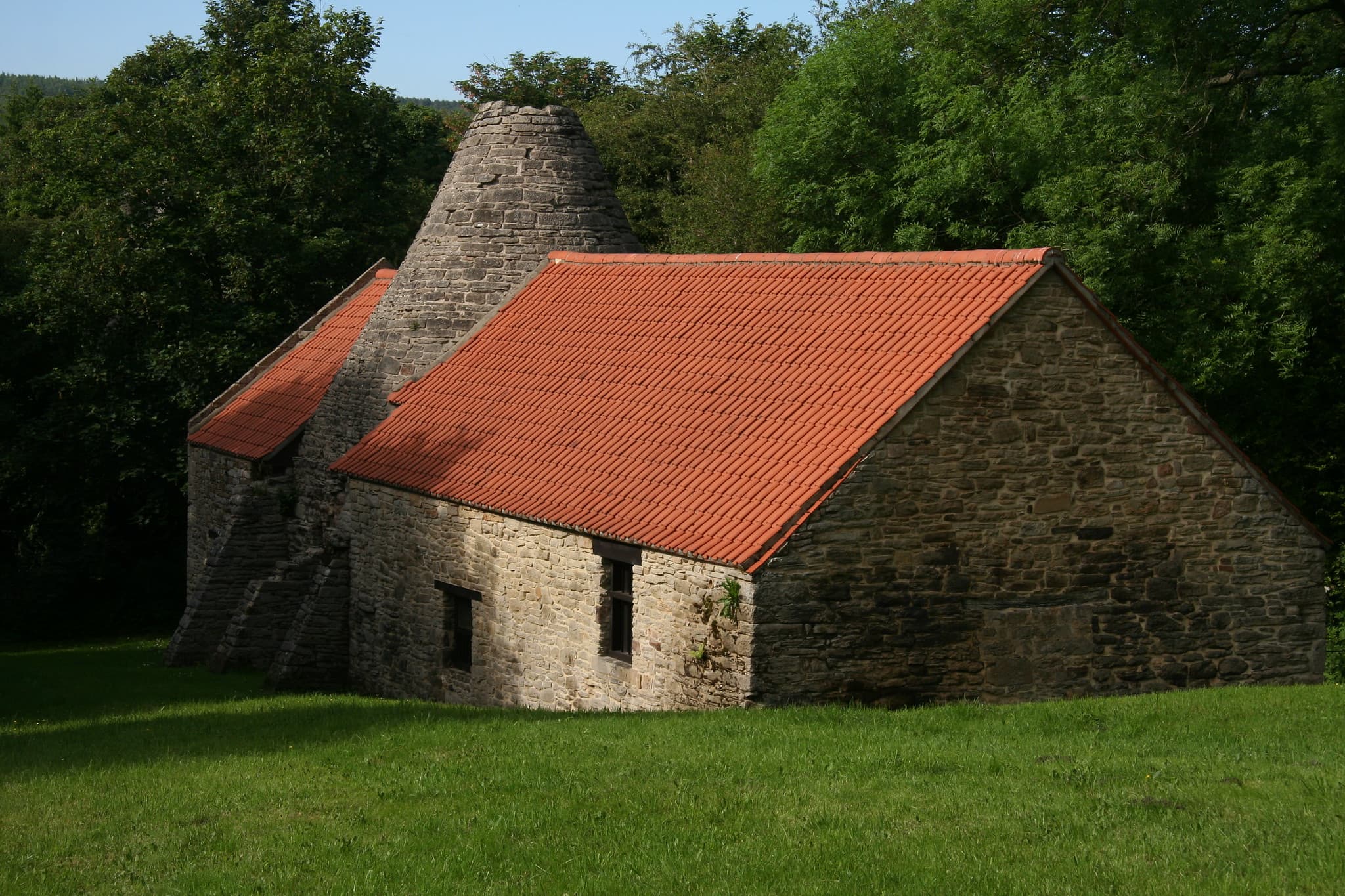
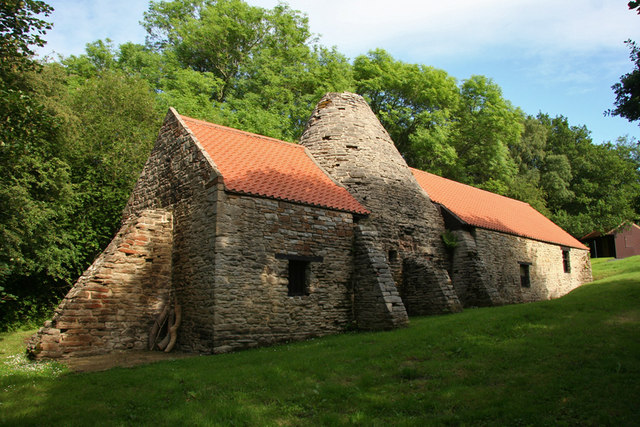
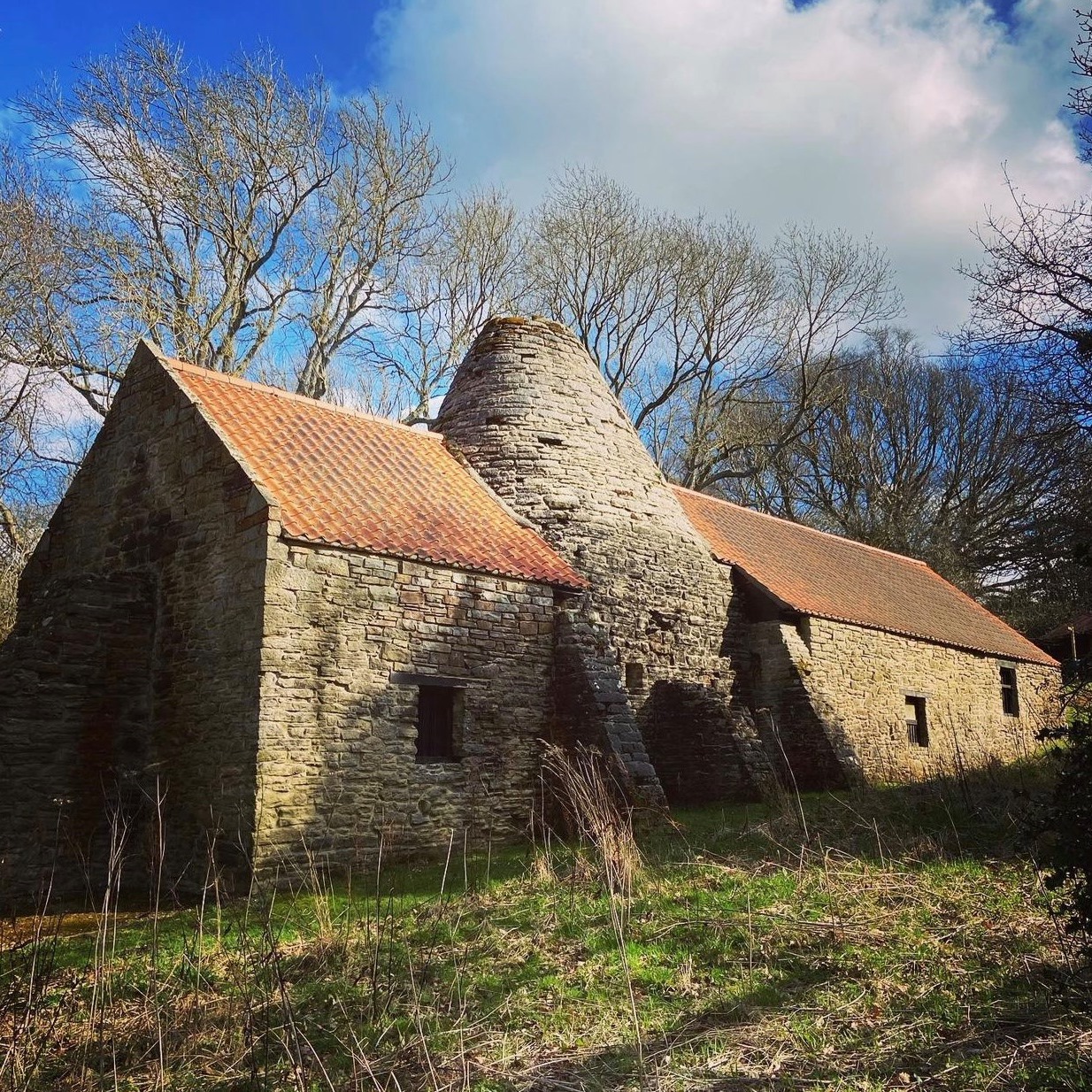
Derwentcote Steel Furnace, located in woodland near Consett, represents a pivotal era in industry and serves as an early reminder of how the local area played a significant role in Britain’s industrial revolution.
Constructed in the early 18th century, this furnace contributed significantly to the British steel industry for over 150 years. Situated by the River Derwent, it transformed Swedish wrought iron into high-quality ‘blister’ steel, sought after for fine cutting tools in Europe.
The Furnace’s Early Days and Its Rise to Fame
The story of Derwentcote Steel Furnace began around 1730, when it was constructed as part of a thriving network of iron and steel production along the Derwent Valley. Initially, a forge had been established by 1719 to convert pig iron into malleable wrought iron that blacksmiths could work with. By 1753, the site was producing around 150 tons of iron per year, serving local industrial needs by supplying materials for fire grates, steam engine parts, and waggon axles.
However, it was the addition of a cementation furnace during the 1740s that solidified Derwentcote’s reputation. The cementation process involved heating wrought iron alongside charcoal, allowing carbon to diffuse into the metal—a technique that created the distinctive ‘blister’ steel.
Each heat cycle took three weeks and produced 10 tons of steel, which would later be refined at the local forge into various grades of steel for springs, blades, and high-quality cutlery. ‘Newcastle steel’ became renowned for its sharpness and durability, making it highly sought after across the country and continent.
Life at Derwentcote Furnace
A small, dedicated workforce kept Derwentcote running. The work was labour-intensive, requiring only a skilled steelmaker and his apprentice to manage the furnace and produce 100 to 200 tons of blister steel annually. Their days were spent loading iron bars, stoking fires, and ensuring the conditions were right for the carbonisation process. Surrounding the furnace, a small community of workers and their families lived in cottages built in the late 18th century, creating a bustling but close-knit atmosphere by the river.
The Legacy of Derwentcote
As the Industrial Revolution progressed, new methods of steel production emerged, and by the late 19th century, Derwentcote struggled to keep up with larger, more advanced steelworks in places like Consett and Sheffield. The furnace ceased operations between 1875 and 1891. Fortunately, this unique site didn’t fade into oblivion. In 1985, it was placed under the care of English Heritage, who have since carried out significant conservation efforts, ensuring this rare survivor of Britain’s early steelmaking history remains for future generations to explore.
The legacy of Derwentcote Steel Furnace is deeply intertwined with the broader history of the steel industry in North East England, particularly with the rise of the Consett Iron Company and the advancements seen later in Sheffield. Founded in 1840, Derwent Iron Company grew from local iron production into one of the largest steel manufacturers in the country, benefiting from the same natural resources that had initially enabled Derwentcote to thrive.
While Derwentcote represented an earlier, smaller-scale form of steel production, it laid the foundation for the later success of Consett. The skills, technology, and workforce that were first established at Derwentcote helped pave the way for Consett’s growth into a major industrial hub. By the late 19th century, Consett had expanded to produce vast quantities of steel using newer methods like the Siemens-Martin process, becoming integral to Britain’s industrial might. The advancements in scale, size, and improved methods at Consett mirrored those seen in Sheffield, solidifying both regions as major players in steel production during the Industrial Revolution.
The Consett Iron Works has its roots in the Derwent Iron Company, which was founded in 1839 by William Richardson and John Nicholson. As they discovered ironstone in the area known as the “Blue Heaps,” the ironworks began to grow, attracting workers from different regions, and expanding rapidly. By 1864, the Consett Iron Company was established, taking over the assets of the original Derwent Iron Company and leading the way for the production of steel on a much larger scale. The Siemens-Martin furnaces installed in 1882 at Consett represented significant technological advancements, making Consett a formidable player in steel production alongside Sheffield.
The overlapping history of these sites highlights the evolution of steelmaking in Britain—from the early, laborious cementation processes at Derwentcote to the large-scale, more efficient production at nearby Consett and further afield in Sheffield. It tells the story of how the local area became a key player in the early Industrial Revolution, contributing to both the development and the wider economic growth of the nation.
Time Team Explores Derwentcote on Channel 4 TV Show
In 2011, the popular archaeology show Time Team visited Derwentcote in an episode titled “Furnace in the Forest.” The investigation revealed the broader significance of the site, showcasing it as an integral part of early British iron and steel production. The episode highlighted Derwentcote’s entire industrial complex, including remnants of a crucible furnace and water management systems that powered the forge. This exploration underscored the pivotal role that Derwentcote played in Britain’s industrial revolution.
The excavation brought to light the hidden complexity of this industrial site, including the discovery of artifacts like crucibles and tools that were used by the workers. It also emphasized the importance of the site’s elaborate water management system, which was crucial for powering the machinery used in steel production.
Findings even suggested that the history of industrial activity at Derwentcote dates back to the 1650s, reshaping our understanding of the timeline of British industrial development.
Time Team – Furnace in the Forest
The Time Team investigation culminated in several fascinating discoveries, including a well-preserved brick floor in the crucible furnace, with bricks bearing the names of the workers, providing a tangible connection to those who toiled there centuries ago.
As the team continued to excavate, they uncovered a series of furnace bays, confirming the structure’s design and purpose, while also identifying the original water wheel’s location—a crucial element for powering the site’s operations.
To watch the episode and gain even deeper insight, follow this link
Time Team – Furnace in the Forest (Series 18, Episode 5).
A Visit to Derwentcote Today
To help visitors plan their journey, we have embedded a Google map below for easy navigation to Derwentcote Steel Furnace:
Free to view the exterior or you can organise a guided tour and see opening times here:
English Heritage – Derwentcote Steel Furnace Opening Times
Today, Derwentcote Steel Furnace stands as a testament to ingenuity and hard work of those who pioneered the British steel industry. Surrounded by woodland, it offers a glimpse into a bygone era when small-scale furnaces like this one were vital to Britain’s growth as an industrial powerhouse. Visitors can explore the external site without a tour, with tours you can get a look inside the furnace to learn about the cementation process and imagine what life might have been like for the workers who lived and laboured here. It’s a fascinating slice of history that remains a point of local pride.
For locals, it’s worth noting that Derwentcote Steel Furnace is located at the bottom of Medomsley Bank along the A694 road, between Hamsterley Mill, Lintzford, and Hamsterley Colliery.
It’s right on our doorstep for Consett Magazine readers, and many of us have likely passed it hundreds of times without realising the historical significance of this site in the development of steel and the early British Industrial Revolution.
Visitors’ Impressions of Derwentcote Steel Furnace
Recent visitors to Derwentcote Steel Furnace have praised the unique historical experience and informative guided tours. John S from Newcastle noted his enjoyment of the site, mentioning how “Guide John (English Heritage) was very good,” and found both the furnace and the walking tour around the site particularly engaging. Another visitor, Seabhag from Argyll and Bute, described the tour as “informal but educational,” highlighting how the guide answered numerous questions and enhanced the experience beyond just reading the information boards.
Many visitors appreciate the site’s peaceful woodland surroundings, with John E from Gateshead stating, “With a bit of imagination, you can understand why it was built there, and why it fell into disuse.” The importance of the location is echoed by other guests who noted that the historical significance of Derwentcote is palpable as they explored the area. Allen H described it as “a very interesting place” that gives insight into how life was during the early days of industrial steel production.
The reviews reflect an appreciation for the knowledgeable guides and the immersive atmosphere that Derwentcote provides, helping visitors connect with a vital piece of Britain’s industrial history.
- ‘Furnace in the Forest’ (Derwentcote, County Durham) | Series 18 Episode 5 | Time Team, Time Team Classics
- English Heritage – Derwentcote Steel Furnace History
- English Heritage – Derwentcote Steel Furnace Opening Times
- Derwentcote Steel Furnace Photo – Historic England
- Derwentcote Cementation Furnace – geograph.org.uk, Helen Wilkinson / Derwentcote Cementation Furnace / CC BY-SA 2.0
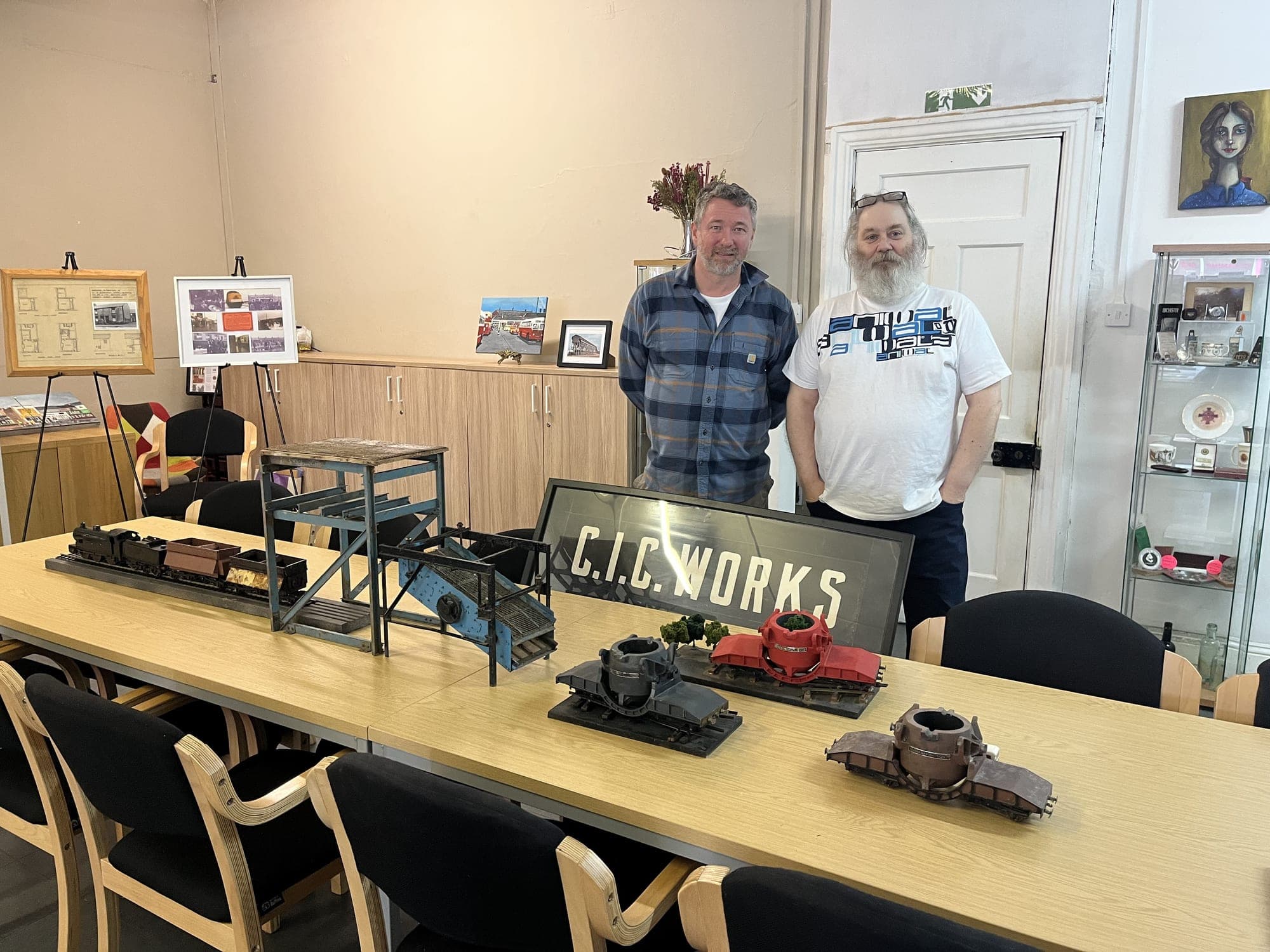
- Image Credit: Photo courtesy of Land of Oak & Iron, taken from their Facebook post (@kathygeorge77)